
Commercial Parking Lot Striping
Parking Lot Striping in Central Texas
New layouts and full restriping for commercial lots across Georgetown, Austin, Round Rock, Cedar Park, Leander, Liberty Hill and surrounding areas. Straight lines, correct spacing, laid out to code.
- Free estimate, emailed within one business day1-business-day estimate
- We can meet you at your lot, or quote from photos and measurementsOn-site or remote quote
- Fully insured, locally owned in GeorgetownFully insured
Clear, durable lines make a parking lot work the way it should: safer traffic flow, easier parking, more usable spaces, and a property that looks cared for. Whether you manage a retail center, office building, apartment community, church, school, warehouse, or small business lot, good parking lot striping in Austin and across Central Texas comes down to four things: a layout that fits how the lot is used, a clean surface, markings that meet code, and timing that works with Texas weather.
Here's how we approach every job, and what you can do as an owner or property manager to get lines that look sharp and last.
Why parking lot striping matters for Austin properties
Striping turns an open slab of asphalt into an organized, safer space. In Austin, busy commercial corridors, fast growing neighborhoods, event traffic, heat, dust, and sudden storms all wear on pavement markings. Fresh lines tell drivers where to park, where to walk, and how to move through the lot without guessing.
It's also your first impression. A faded lot makes a well kept building look neglected. Crisp parking lot line striping says the property is managed and easy to use. And it covers the practical needs too: accessible parking, visible fire lanes, loading zones, directional arrows, crosswalks, no parking areas, curb markings, and stall layouts that match how people actually use the site.
5 tips for effective parking lot striping in Austin
1. Start with a layout that fits how your lot is used
A good striping job starts before any paint goes down. The layout has to work for customers, tenants, employees, delivery drivers, pedestrians, and emergency vehicles. If your lot has confusing entrances, awkward turns, or rows where drivers cut across spaces, repainting the old lines just repaints the old problems.
Before you book parking lot line striping in Austin, walk the lot during a normal busy hour. Notice where cars hesitate, where people cross without a crosswalk, and where delivery or rideshare drivers stop. That tells you whether you need a fresh restripe or a smarter layout. When we look at a lot, we check:
- Stall angles and drive aisles: 90 degree parking fits the most cars. Angled parking can work better for one-way traffic.
- Entrances and exits: Arrows and lane lines should make the next move obvious.
- Pedestrian paths: Crosswalks, walkway markings, and stop bars keep foot traffic away from moving cars.
- Accessible spaces: ADA stalls need the right placement, access aisles, symbols, and a route to the entrance.
- High use zones: Loading areas, pickup spots, dumpster access, and fire lanes need to stay visible and clear.
- How people really drive there: Lots near restaurants, medical offices, schools, and entertainment areas need especially clear traffic markings.
A clean layout does more than look good. It cuts driver frustration, makes open spaces easy to find, and helps visitors feel confident the moment they pull in.
2. Prep the pavement before any parking lot painting
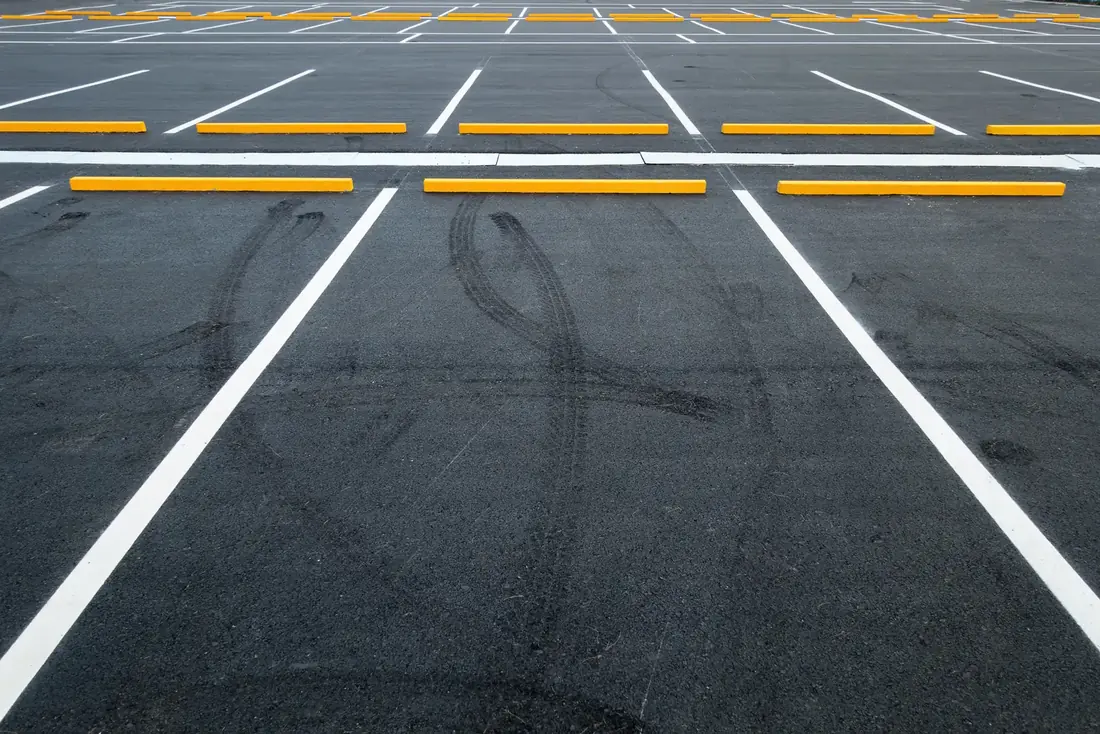
Even good paint fails early if it goes down over dirt, loose gravel, oil, standing water, or crumbling pavement. Paint bonds best to clean, dry, solid asphalt or concrete. In Austin, heat, pollen, dust, oak leaves, and construction debris pile up fast, so prep is never optional.
At a minimum the surface gets swept or blown clean. Oil spots may need extra treatment so the paint sticks. Cracks, potholes, and loose stone get looked at before we paint, because striping over damaged pavement looks fresh for a few weeks but doesn't fix anything.
You can make the job go faster on your end:
- Let tenants, staff, or residents know the schedule and where to park in the meantime.
- Move vehicles, carts, dumpsters, and movable signs out of the work area before we start.
- Turn off irrigation so sprinklers don't wet the pavement before or after painting.
- Check for leaks or drainage problems that leave water across the lot.
- List any special markings you need: reserved spaces, visitor parking, ADA stalls, fire lanes, loading zones, or stall numbers.
A little prep prevents delays, gives sharper lines, and avoids a second trip to repaint spots that were blocked or wet the first time.
3. Choose markings and materials that hold up in Central Texas
Central Texas is hard on pavement markings. Long sunny stretches, hot pavement, heavy traffic, and sudden rain all shorten the life of the wrong material or a rushed job. For Austin parking lot striping that lasts, the paint and the timing have to match the pavement, the traffic, and how the lot is used.
Most commercial lots need bright, visible lines for stalls, arrows, crosswalks, and safety markings. White and yellow are the standard, with other colors for things like accessible spaces, fire lanes, or curb zones. What matters most is consistency: drivers should understand every marking at a glance, without old faded lines showing through underneath.
Things we talk through with you before the job:
- Paint type: The right coating for asphalt or concrete and for your traffic level.
- Line width and brightness: Consistent widths look professional and help drivers spot spaces quickly.
- Night visibility: Lots used after dark may benefit from more reflective options.
- Color coding: Fire lanes, accessible spaces, reserved areas, and arrows should each be clearly different.
- Old lines: If the layout changes, old stripes may need to be covered so drivers aren't confused.
- Dry time: The lot stays closed long enough for the paint to cure in that day's conditions.
Don't pick on price alone. A cheap parking lot line striping job in Austin can need touch-ups within months if the paint doesn't suit the surface or the traffic. We'll tell you plainly which material your lot needs and why.
4. Keep ADA and safety markings easy to recognize
A parking lot is shared space. Drivers, pedestrians, cyclists, delivery trucks, and emergency vehicles can all be there at once. Clear safety markings take out the guesswork, especially at intersections, storefront crossings, school and medical entrances, and apartment communities with steady foot traffic.
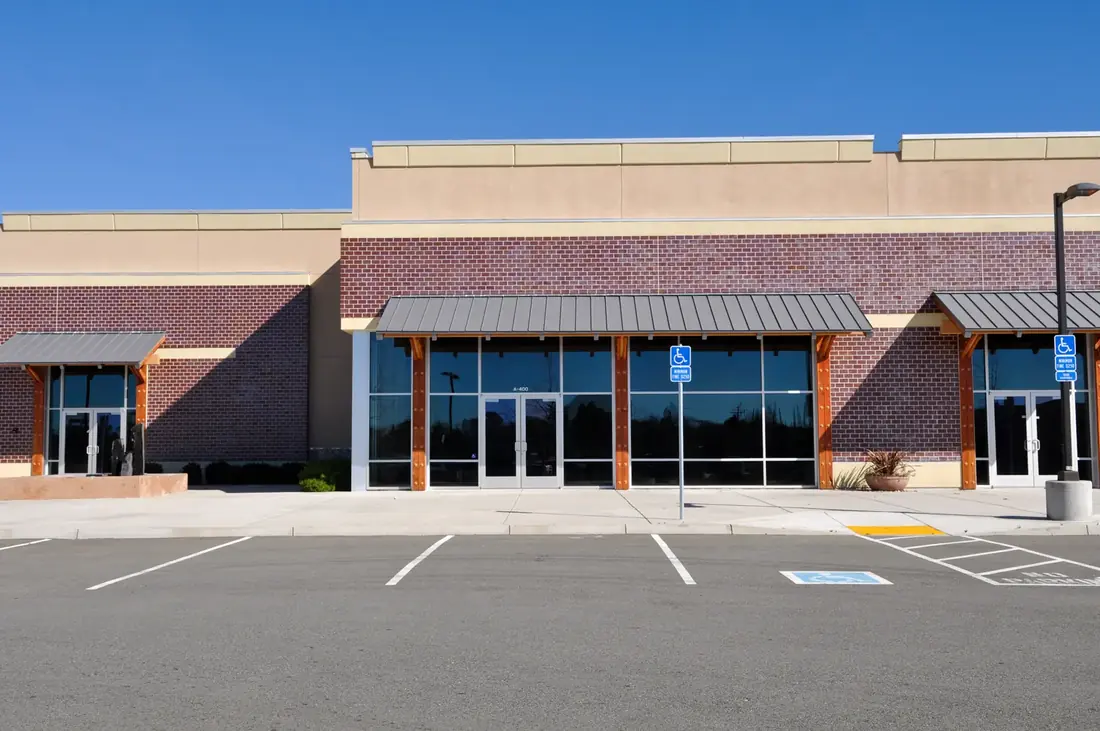
For Austin properties, that can include accessible parking spaces, access aisles, curb ramps, fire lanes, no parking zones, stop bars, arrows, and crosswalks. Requirements vary by property type, layout, and city, so we work from current standards and confirm the details before painting. If your lot has been reconfigured, expanded, resurfaced, or repurposed, don't assume the old layout still works. For the rules in plain language, see our pavement marking TX guide and our ADA compliance marking page.
Markings to check on your lot:
- Accessible stalls on an accessible route to the building entrance.
- Access aisles that stay clearly marked so nobody parks in them.
- Fire lanes and emergency access areas with highly visible striping or curb paint.
- Stop bars and arrows at entrances, exits, and internal intersections.
- Crosswalks between the parking area and the building entrance.
- Reserved, visitor, pickup, or loading areas in busy zones.
When markings fade, drivers guess. Some park in access aisles, block lanes, go the wrong way, or stop where delivery trucks and fire engines need room. Clean, compliant striping removes the guesswork for everyone.
5. Restripe before the lot looks neglected
Most owners wait until the lines are almost gone. By then cars are parking crooked, accessible markings are hard to see, and the lot looks older than the building. It's better to inspect the lines regularly and restripe while they're faded but still visible enough to repaint accurately.
Lots wear at different speeds. A small office lot holds its lines longer than a grocery center, restaurant, gym, warehouse, or apartment complex with constant turnover. Sun, drainage, pavement age, sealcoating, sweeping, and traffic all play a part. For most Central Texas commercial lots, that means a restripe every 18 months to 3 years.
Time to restripe if:
- Lines are faded, patchy, or hard to see from the driver's seat.
- Cars are parking crooked or across old stall lines.
- Arrows, stop bars, or crosswalks no longer stand out.
- Accessible symbols or access aisles are fading.
- Fire lane or curb markings are worn or inconsistent.
- The pavement was just sealcoated or repaired. (We stripe right after sealcoating once the coat cures.)
- Tenants, customers, or visitors complain about confusing parking.
Timing helps too. If your business has slow hours, weekend windows, or seasonal lulls, we plan around them so the lot is cleared and reopened with as little disruption as possible.
New layout or restripe: we handle both
On new construction or a freshly repaved lot, we start from a layout plan: stall count, drive aisle widths, fire lanes, and arrows, all measured out before any paint goes down. On an existing lot that's faded or just looks tired, we repaint over the old layout, or redesign it if the old one wasn't working.
Either way the standard is the same: straight lines, consistent spacing, and a layout that meets local code for stall count and lane width. We're not just painting over what's there. We're making sure the lot works for the people parking in it. Not sure if you need a full restripe or touch-ups? Send a few photos and we'll tell you honestly what we see, not just quote the biggest job.
Plan your Austin parking lot striping project
If your lot is faded, confusing, recently repaired, or ready for a better layout, now's a good time to plan. Walk the property, note the problem spots, and list every marking you need, from standard stalls to crosswalks, accessible spaces, arrows, fire lanes, and loading zones.
Texmark Pavement handles parking lot striping in Austin, Georgetown, Round Rock, Cedar Park, Leander, Liberty Hill, and across Central Texas. We'll look at your lot, recommend the right markings, and schedule around your traffic. The estimate is free and comes back within one business day.
Related: Parking lot striping for property managers and HOAs · 5 Essential Benefits of Parking Lot Re-Striping and Sealcoating